
1. AI is already replacing much of traditional project management.
AI increasingly performs scheduling, tracking, status reporting, documentation, data analysis, and coordination. The more repetitive, predictable, and standardized the work, the easier it becomes to automate. This challenges the economic justification for many administrative and coordination-heavy roles.
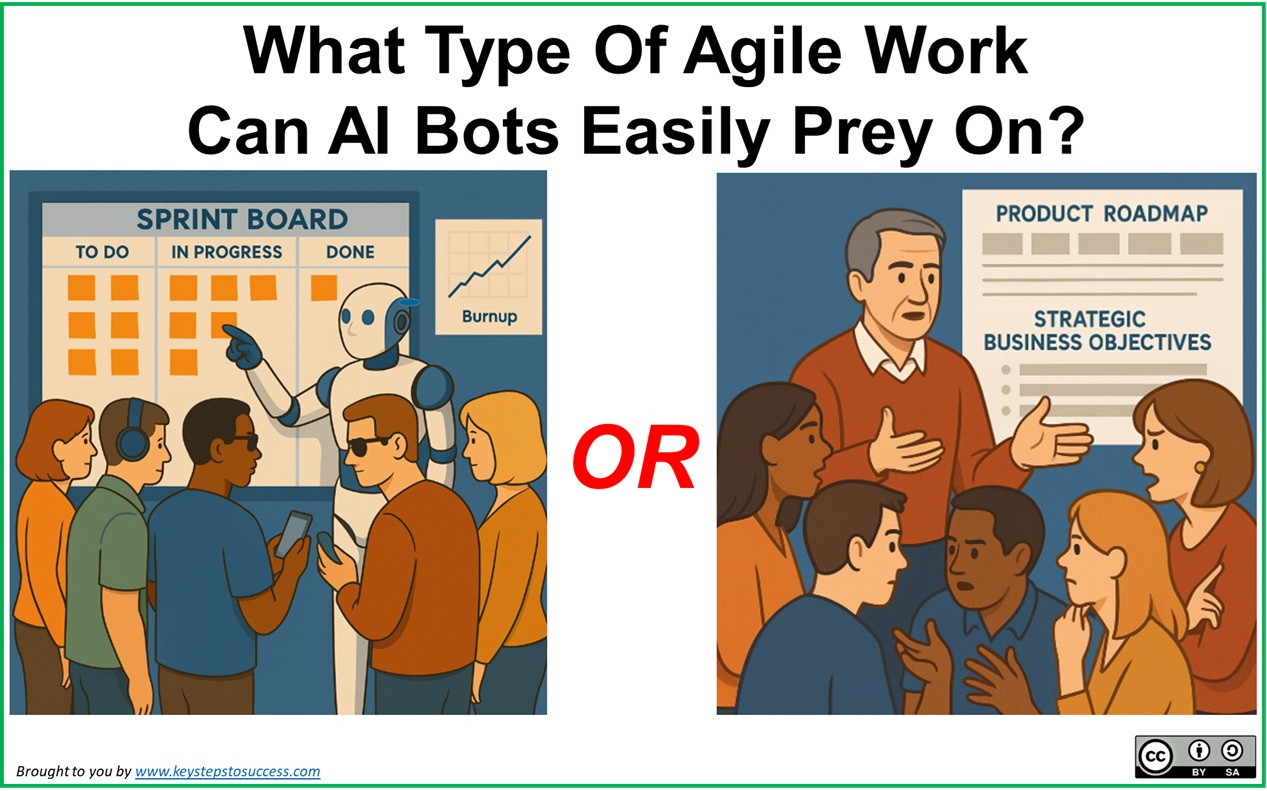
2. Traditional PMOs have become factories for managing work rather than creating value.
Governance layers, approval processes, portfolio rollups, status meetings, and reporting hierarchies often distance decision-makers from where value is actually created. AI can automate much of this bureaucracy, raising the question of how much of it was necessary in the first place.

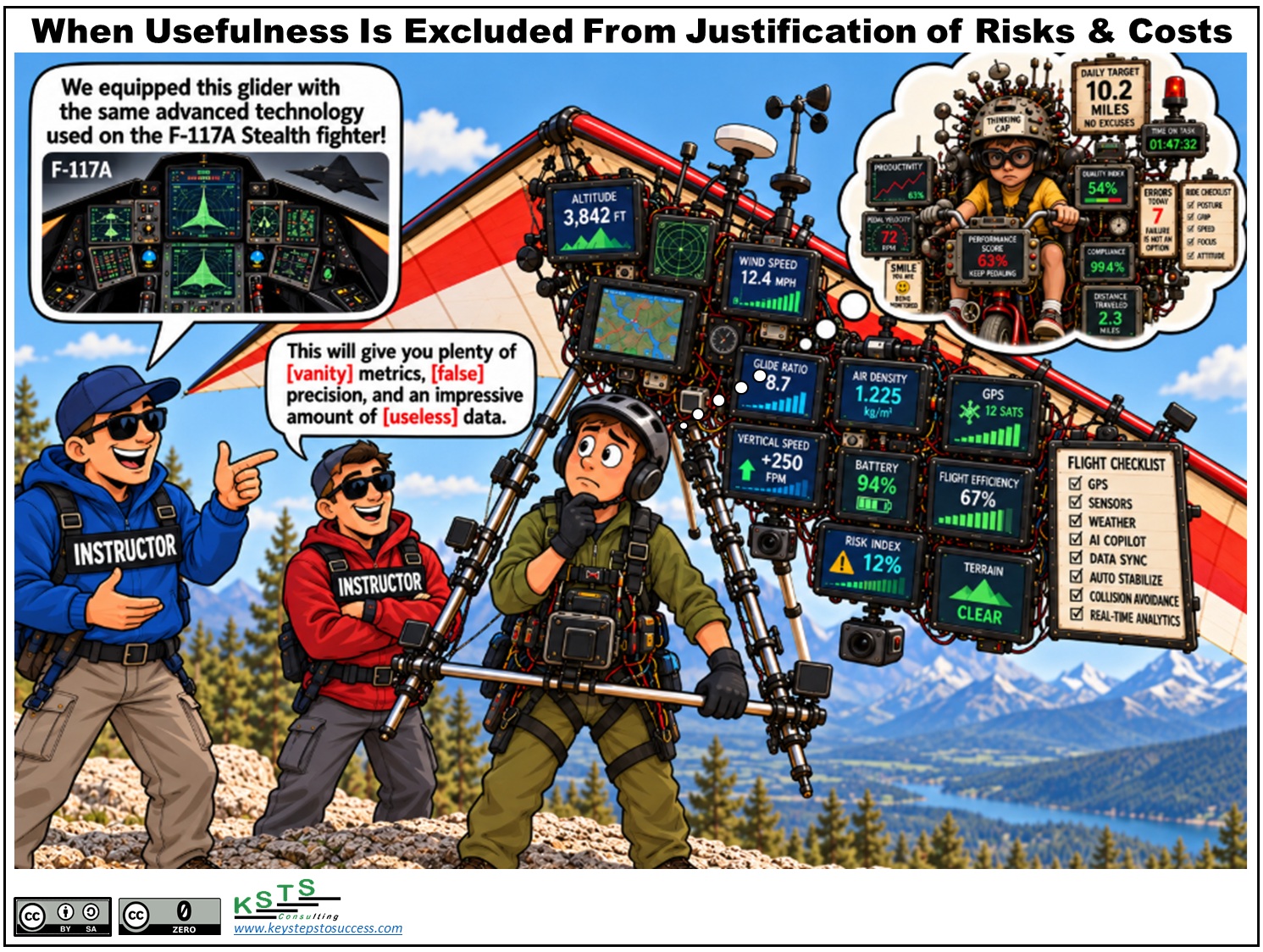
3. AI can make organizations extraordinarily efficient at doing the wrong things.
Sophisticated dashboards, aggregated team velocities, utilization metrics, and precise-looking forecasts can create an illusion of control. Improving reporting accuracy does not guarantee better business outcomes. AI may simply make organizational waste faster, cheaper, and more scalable.

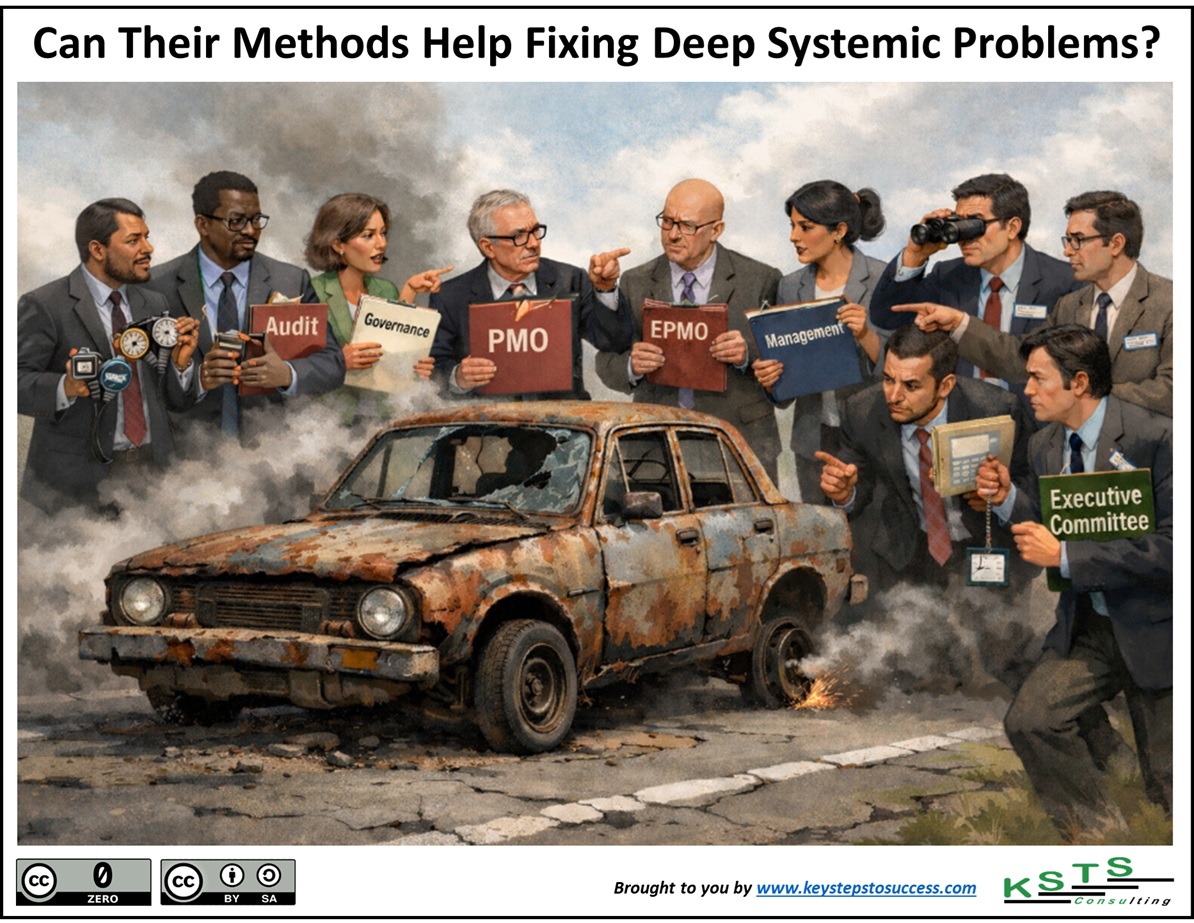
4. No methodology can compensate for a fundamentally dysfunctional organization.
Scrum, SAFe, PMO frameworks, Agile coaching, and new management roles cannot independently fix fragmented accountability, conflicting incentives, excessive dependencies, and organizational silos. More methods and governance often become additional layers of complexity rather than solutions to systemic problems.
5. Local optimization is often the enemy of end-to-end customer value.
Teams optimize velocity, departments optimize utilization, PMOs optimize compliance, and Agile coaches optimize ceremonies. Every group may report success while the customer continues experiencing delays, dependencies, and fragmented delivery. Optimizing individual components does not necessarily improve the whole system.

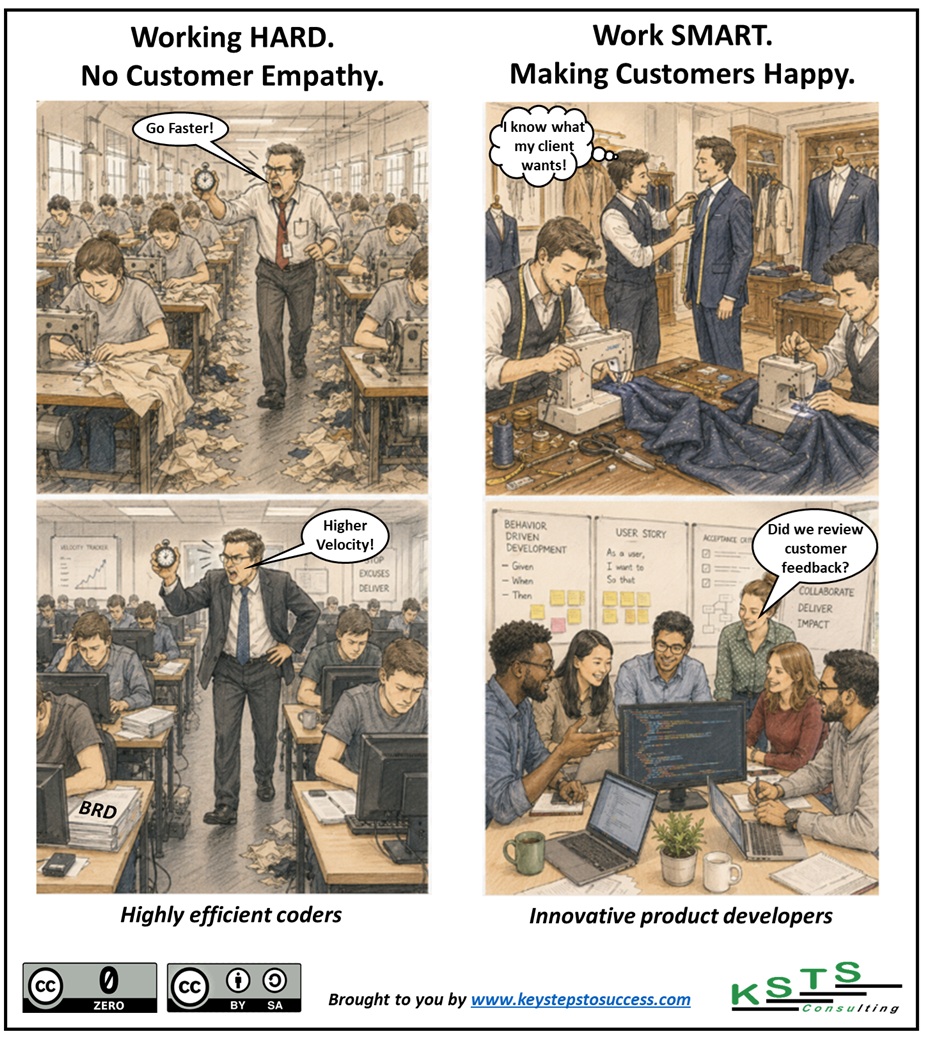
6. Working harder, delivering faster, and keeping everyone busy are not business outcomes.
Productivity, utilization, and predictability can all improve while customer satisfaction deteriorates. AI makes unnecessary work easier to produce. The fundamental question is not how efficiently people execute activities, but whether those activities deserve to be performed at all.
7. Stop managing projects as isolated deliverables. Start managing end-to-end product value.
A project can finish on time and within budget while the customer still cannot use the intended solution. Product-centricity emphasizes persistent ownership, customer understanding, continuous feedback, and business outcomes. Internal products also require budgets, but their funding should remain connected to meaningful user and organizational value.

8. Better organizational design brings teams closer to customers and turns managers into capability builders.
Long-lived, cross-functional teams reduce unnecessary handoffs and develop deeper product knowledge. Managers focus on improving organizational structure, removing impediments, developing people, and creating conditions for autonomy and learning. This replaces excessive coordination with genuine organizational capability.

9. Technical excellence and continuous learning create adaptability, not additional governance.
Continuous integration, automated testing, continuous delivery, clean architecture, and effective collaboration reduce the cost of change. AI can accelerate development, but cannot substitute for sound engineering practices or organizational learning. True adaptability requires improving the system rather than merely accelerating its existing activities.
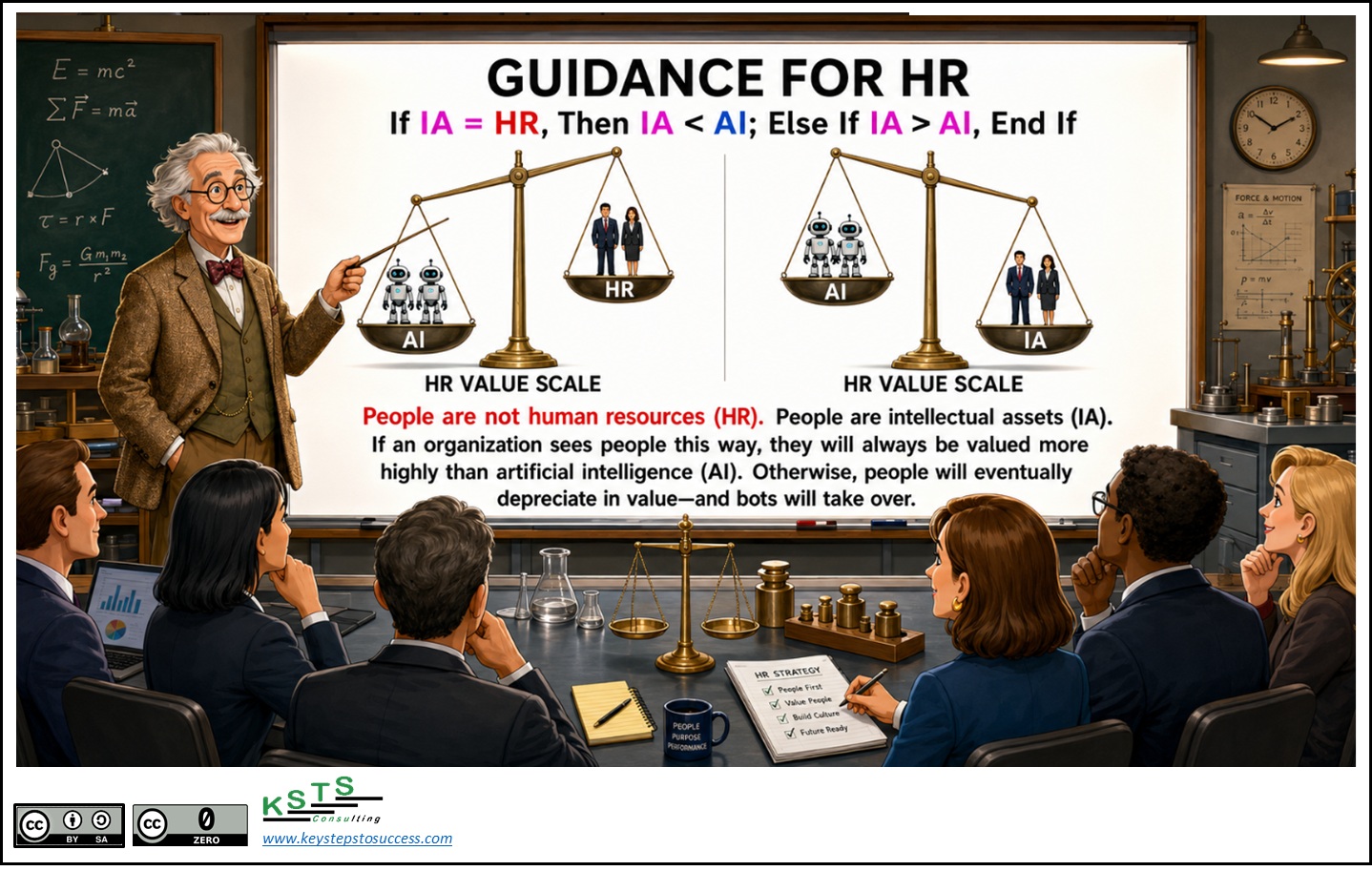
10. The future belongs to intellectual assets, not interchangeable human resources.
AI raises the importance of systems thinking, creativity, contextual judgment, emotional intelligence, strategic decision-making, and the courage to challenge established assumptions. Professionals whose primary value comes from administering methods and bureaucracy face growing pressure. Those who help organizations understand problems, design better systems, and make wiser decisions become increasingly valuable.
The Question That Matters
If AI took over 80% of the activities you perform today, would your organization lose 80% of the value you create—or would it discover how much of your work was never creating value in the first place?
Gene Gendel | KSTS Consulting